
 0
0
 0
0

December 19, 2020 at 01:00AM
The first quarter of 2021 looks set to be an intriguing, and volatile, three months for sterling-denominated assets and traders
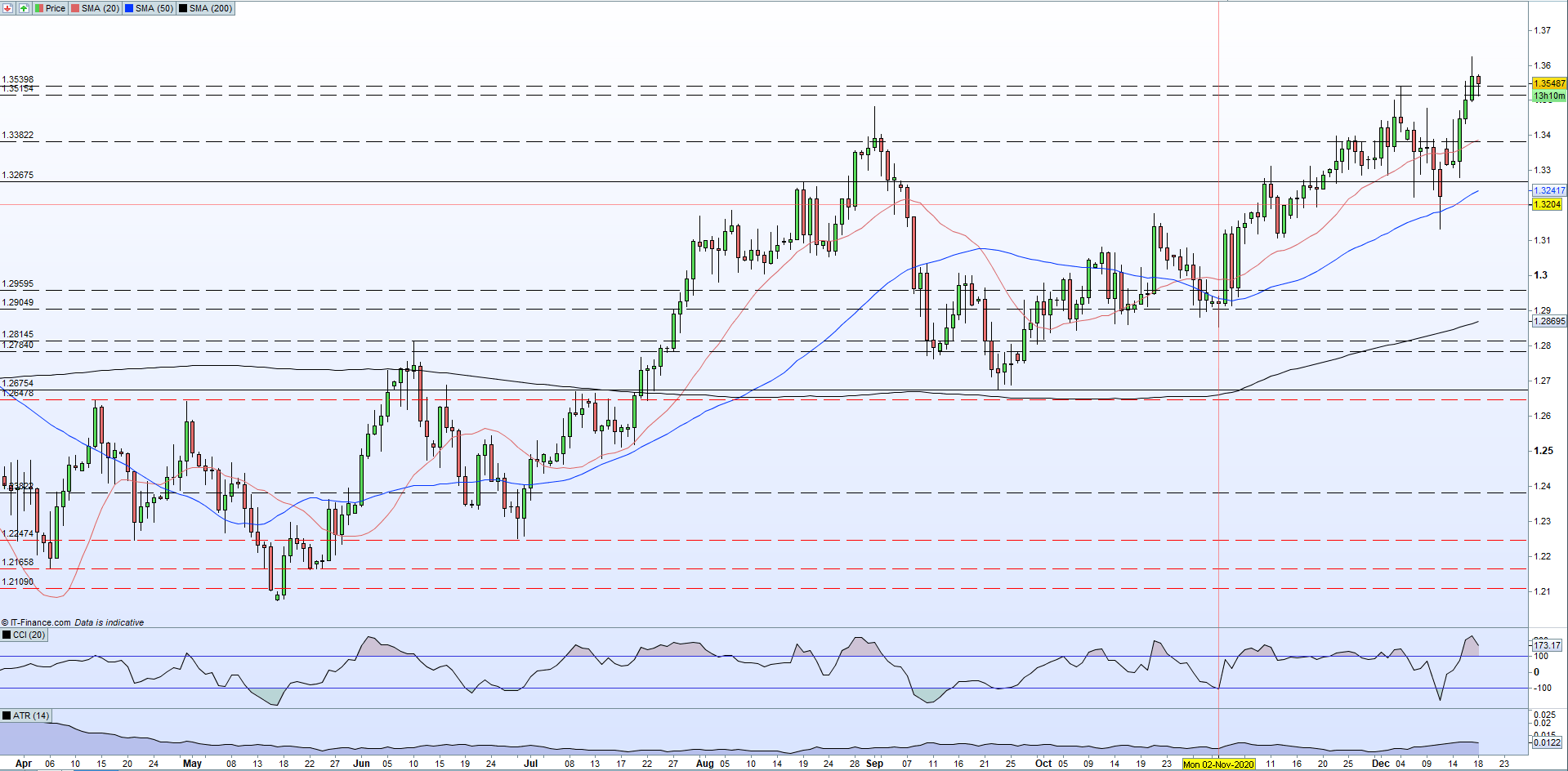
This year has been a difficult one for Sterling traders with the uncertainty surrounding Brexit compounded by the economic and human devastation caused by the coronavirus. Most of the UK remains in some stage of lockdown and while a vaccination program has begun, it will take months before the population has been inoculated against the virus. GBP/USD started 2020 around 1.3100 and is looking to the end the year less than a handful of points higher after making a v-shaped recovery from a virus low around 1.1400 in mid-March.
The first quarter of 2021 is likely to be more positive for Sterling as the path clears for moderate gains against a range of currencies. EU-UK trade talks will still draw headlines as ongoing work by both sides will be needed on any terms of trade. Meanwhile the Covid-19 vaccination program that began in December will raise expectations that by mid-year the country may be back on its economic feet and no longer in the grip of the virus. Sterling should benefit from this more benign background, but gains may not be as large as previously expected, as full scope of trade’s and economic activity becomes clear and confidence returns.
GBP/USD Daily Price Chart (April – December 18, 2020)

Covid: Boris Johnson expected to tighten rules in south-east England
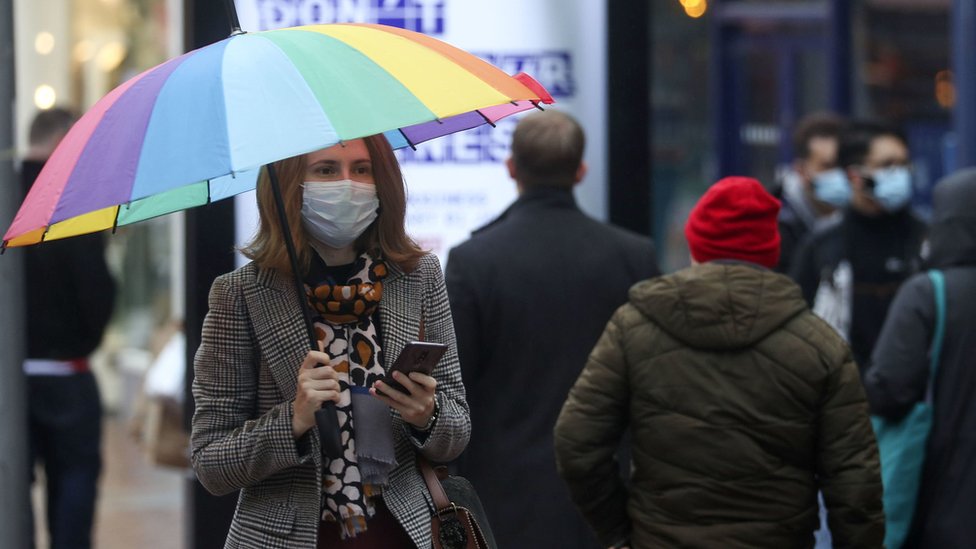 image copyrightPA Media
A fourth tier of coronavirus restrictions is expected to be introduced in London and south-east England, sources have told the BBC.
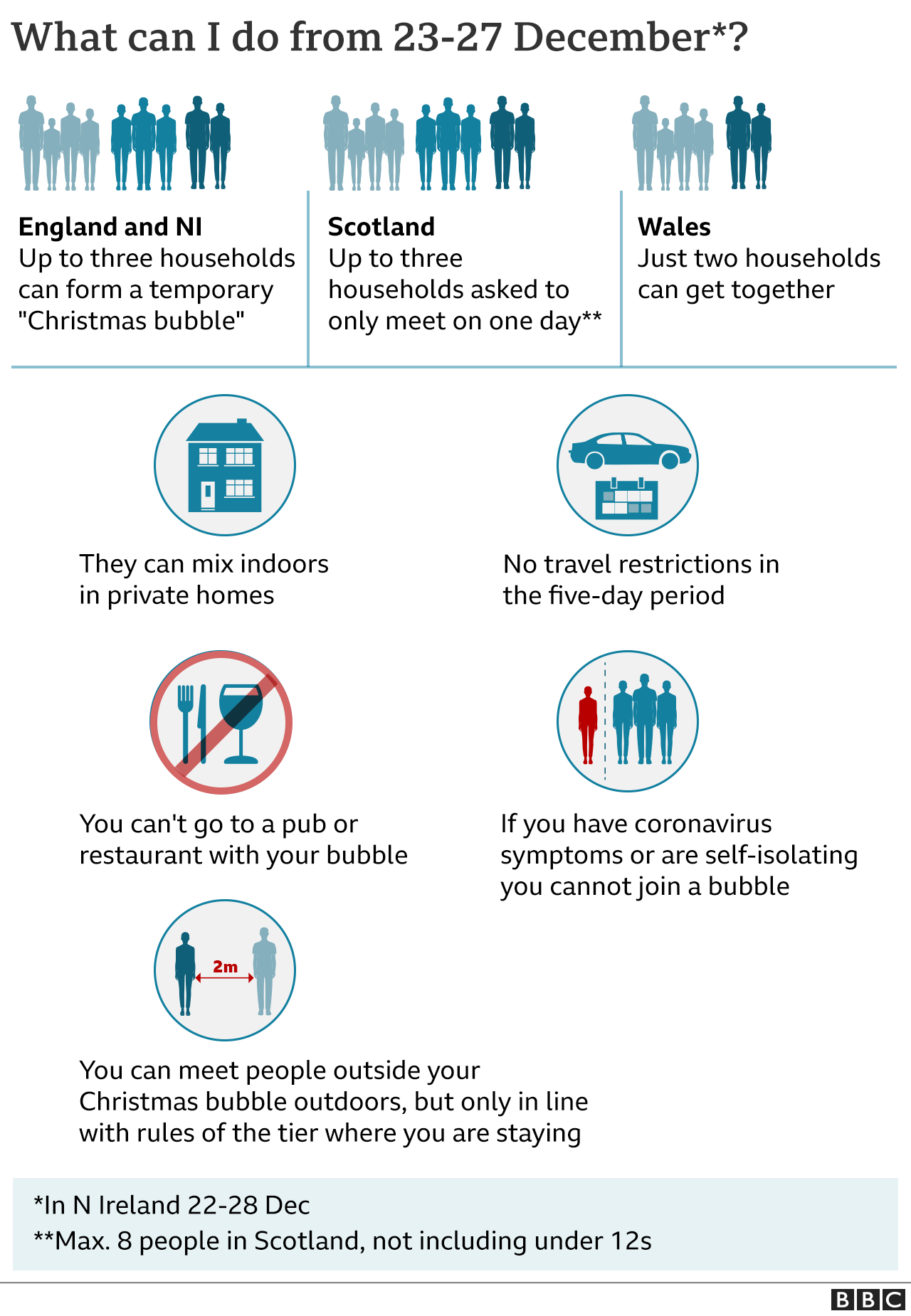
There is also expected to be a tightening of the plans to relax the rules around households gathering during the Christmas period.
The PM is to hold a press conference at 16:00 GMT as concerns grow about the spread of a new variant of the virus.

Boris Johnson hosted a cabinet meeting earlier to discuss what action to take.
Chief medical officer Prof Chris Whitty said government advisers “consider the new strain can spread more quickly”.
He will join the prime minister and Sir Patrick Vallance, the government’s chief scientific adviser, at the press conference.
The first ministers from Scotland, Wales and Northern Ireland held talks with cabinet minister Michael Gove earlier.
Scotland’s Nicola Sturgeon tweeted that she would also chair a meeting with the Scottish cabinet this afternoon, adding: “Cases currently at lower level in Scotland than UK – but preventative action may be necessary to stop faster spreading strain taking hold.”
Wales will also hold a cabinet meeting, while Northern Ireland First Minister Arlene Foster tweeted that the new variant of coronavirus prevalent in south-east England was “very concerning”.
Wales and Northern Ireland have already announced post-Christmas lockdowns. Covid rules were due to be relaxed across the UK between 23 and 27 December, with up to three households being able to meet.
Following concern about the rapid spread of a new variant, Prof Whitty said: “We have alerted the World Health Organisation and are continuing to analyse the available data to improve our understanding.”
That came after advice from the New and Emerging Respiratory Virus Threats Advisory Group (Nervtag) – the expert committee that advises the government on pandemics.
“There is no current evidence to suggest the new strain causes a higher mortality rate or that it affects vaccines and treatments although urgent work is under way to confirm this,” Prof Whitty added.
Chairman of Nervtag, Peter Horby, said they had not found the variant to be more severe but being easier to transmit meant it was harder to control.
Shadow health secretary Jonathan Ashworth called on the prime minister to set out “what action he will be taking” as the virus was “out of control in parts of the country”.
Jeremy Hunt, a former health secretary, said the government needed “to respond to what is happening on the ground” with hospital admissions rising.
Hospitals in Kent are postponing non-urgent procedures as coronavirus cases in the county rise beyond figures seen in the spring.
Ministers also met on Friday to discuss what action will be necessary to deal with the new variant.


Viruses do mutate – so this development should not come as a complete surprise.
There is nothing to suggest it causes more serious illness or would impact the ability of the vaccines to work.
But preliminary investigation suggests it is leading to faster transmission.
That clearly is causing concern, especially ahead of Christmas when relaxing restrictions mean there is more opportunity for the virus to spread.
It may well explain why infection rates started increasing in London during lockdown – something that has baffled experts.
All indications are that the PM will issue new advice on Christmas.
Hospital admissions are increasing – with the number of available beds in parts of south-east England falling almost by the day.
Analysis suggests the R number – which represents how many people each infected person passes the virus onto – has risen above 1 in the UK.
Health bosses have warned the NHS is under significant pressure, with nearly 90% of hospital beds in England full.
‘A changing situation’
Mr Hunt, chair of Parliament’s health select committee, told the Today programme that the current situation was “very serious” and if the government did change its mind about relaxing the rules “we should certainly not condemn it as a screeching U-turn but the responsible thing to do in a pandemic when the facts change”.
He cited two big developments – the new Covid variant and hospital admissions “going up very, very sharply” – adding that “we have to look at the changing situation”.
If ministers did not want to change the law, Mr Hunt said they should consider strengthening the guidance on social distancing, adding: “It would be an enormous tragedy if we had a spike in deaths at the end of January/February because we took our foot off the pedal this close to having a vaccine.”
Leon Danon – an epidemiologist who sits on the Scientific Pandemic Influenza Group on Modelling which advises the government – has been trying to model the impact on the R number of various households getting together at Christmas.
He told Today that modelling showed putting three households together had a “pretty bad” effect on the R value, however he said over the festive period this would be counterbalanced by schools closing and fewer people going to work reducing people’s other contacts.

Meanwhile, tier three Covid rules have come into force for parts of southern England, meaning that 38 million people – more than two-thirds of the nation’s population – are now subject to the toughest restrictions.
The changes, which came into effect at 00:01 GMT, see Bedfordshire, Buckinghamshire, Berkshire, Hertfordshire and parts of Surrey, East Sussex, Cambridgeshire and Hampshire join the list of areas now in the highest level of England’s three-tier system.
In tier three, pubs and restaurants must close and different households cannot mix indoors or in most outdoor venues.
From: Nick Cawley
Selected by fonecable.com
Search Web: Sterling Q1 2021 Forecast: Starting to Look a Better Prospect
Recent Posts
- Crude Oil Over Crypto
- US Dollar Price Action Setups pre-CPI: EUR/USD, GBP/USD, USD/JPY
- Cathie Wood & Ark: Insiders Aren’t Buying the Hype
- Breaking News: ECB Holds Rates, Setting up July and September for Fireworks
- Currency Carry Trade: What is it and how does it work?







Average Rating